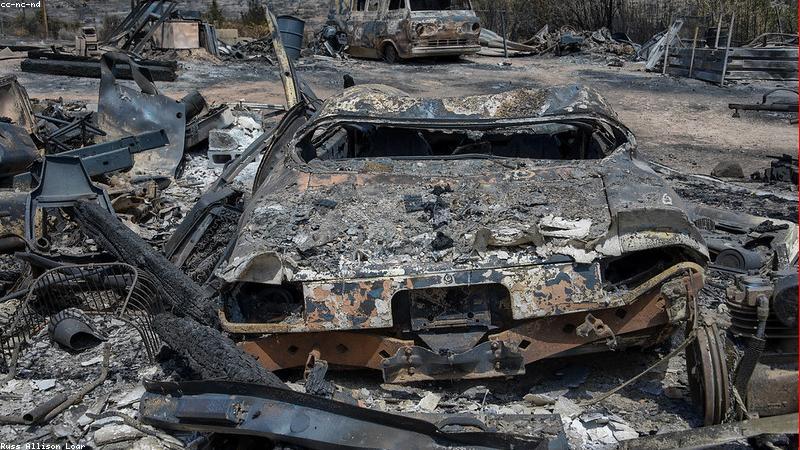
Experiencing home damage is undeniably stressful, whether from a sudden storm, a burst pipe, or another unforeseen event. Beyond the immediate disruption, navigating the insurance claim process can add significant anxiety. However, with a clear, step-by-step approach, you can build a robust insurance claim, helping to ensure you receive the fair compensation you deserve. As your trusted guide in the USA insurance landscape, we’ll walk you through effectively managing your home damage claim.
Immediate Actions After Home Damage
Before any paperwork, prioritize safety and prevent further damage.
Ensure Safety First
- Prioritize Personal Safety: Evacuate if necessary. Do not re-enter damaged areas if risks like structural collapse, electrical hazards, or gas leaks exist.
- Contact Emergency Services: For immediate dangers (e.g., fire, significant structural damage), call 911.
Prevent Further Damage
- Temporary Repairs: Take reasonable steps to prevent additional damage (e.g., boarding windows, tarping roofs, shutting off water). Keep all receipts; these costs are often reimbursable.
- Document Before Repair: Always take photos and videos of the damage before any temporary repairs begin.
Building Your Robust Insurance Claim: Step-by-Step
Once immediate safety is secured, meticulously build your home damage insurance claim.
1. Notify Your Insurer Promptly
Contact your homeowners insurance provider as soon as it's safe. Delays can complicate your claim. Provide a general overview of the damage and inquire about their specific claim filing procedures.
2. Document Everything Meticulously
This is critical for a successful insurance payout.
- Photographs & Videos: Capture extensive photos and videos of all damaged areas and items from multiple angles. Include wide shots and close-ups, and "before" photos if available.
- Detailed Inventory: Create a comprehensive list of all damaged or destroyed personal property. Include descriptions, brand names, model numbers, and estimated age.
- Receipts & Appraisals: Gather purchase receipts, appraisals, and warranties for high-value items.
- Additional Living Expenses (ALE): Keep detailed records and receipts for any temporary housing, food, or other necessities if your home is uninhabitable.
3. Understand Your Policy
Review your homeowners insurance policy carefully. Pay close attention to your deductible, coverage limits for different damage types (e.g., dwelling, personal property, ALE), and any exclusions. This knowledge empowers you during the process.
4. Get Repair Estimates
Obtain at least two or three written repair estimates from reputable, licensed contractors. These should detail the scope of work and associated costs, providing a strong basis for negotiation.
5. Keep a Detailed Log
Maintain a record of all communications with your insurance company, adjusters, and contractors. Include dates, times, names, and a summary of discussions. Keep copies of all submitted documents.
The Claim Review and Negotiation Process
Your insurer will assign an adjuster to assess the damage. Cooperate fully, but advocate for yourself.
Cooperate with Adjusters, Be Informed
Walk the adjuster through the damage, provide all your documentation, and answer questions honestly. However, avoid signing anything or agreeing to a settlement on the spot without fully reviewing it. Your detailed documentation is invaluable here.
Review the Settlement Offer Carefully
Compare any settlement offer against your documentation and contractor estimates. If insufficient, be prepared to negotiate. Provide your evidence, politely explaining why a higher payout is warranted. Don't hesitate to seek professional advice if negotiations stall.
Why a Strong Claim Matters
Building a thorough, well-documented home damage insurance claim is crucial for restoring your home and peace of mind. A proactive, organized approach to your homeowners insurance claim process can significantly impact the speed and fairness of your resolution. By following these steps, you empower yourself to navigate complexities and secure the resources needed to rebuild.