Homeowners insurance is a critical shield, protecting your most valuable asset against a wide range of unexpected perils. It typically covers damage from events like fire, theft, windstorms, and liability claims if someone is injured on your property. However, many homeowners are surprised to learn that standard policies don't cover everything. Understanding what your policy doesn't cover is just as important as knowing what it does, preventing costly surprises when disaster strikes.
Common Exclusions in Standard Homeowners Insurance
While policies vary, certain perils are almost universally excluded or have significant limitations. Here’s what you generally won’t find covered by a basic homeowners insurance policy:
1. Flooding
Perhaps the most significant and often misunderstood exclusion, damage from floods—whether from heavy rain, storm surge, or overflowing rivers—is not covered by standard homeowners insurance. This requires a separate flood insurance policy, typically purchased through the National Flood Insurance Program (NFIP) or private insurers.
2. Earthquakes
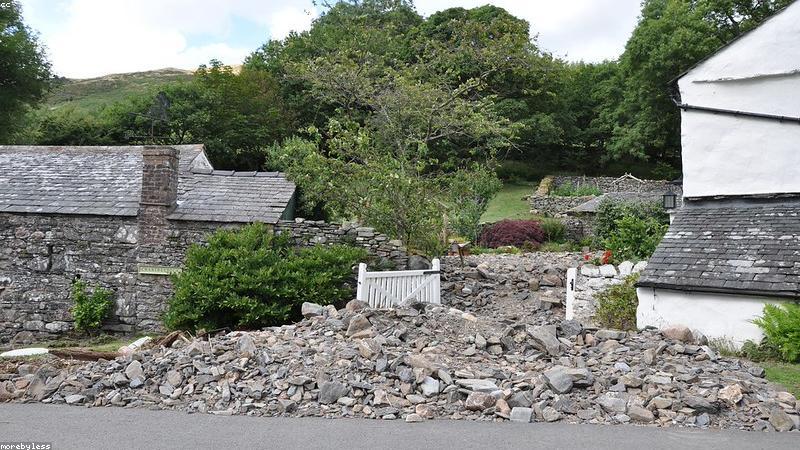
Similar to floods, damage caused by earthquakes, tremors, landslides, or mudslides is excluded. If you live in an earthquake-prone region, you'll need to purchase a separate earthquake insurance policy or an endorsement to your existing policy.
3. Government Action & War
Damages resulting from war, nuclear hazard, or actions taken by government authorities (e.g., demolition to prevent fire spread) are standard exclusions across almost all insurance policies.
4. Neglect and Lack of Maintenance
Insurance is designed for sudden, accidental damage, not for problems that arise due to a lack of upkeep. Damage caused by long-term neglect, wear and tear, or failure to perform routine maintenance (e.g., rotting wood, unrepaired leaks causing mold over time) will likely not be covered.
5. Mold (with caveats)
While some policies offer limited mold coverage if it's a direct result of a covered peril (like a burst pipe), mold growth due to long-term moisture issues or neglect is typically excluded. Always check your policy's specific language regarding mold.
6. Sewer Backup and Sump Pump Failure
Water damage from sewer backups or sump pump failures is a common exclusion. You can usually add an endorsement to your policy for this specific coverage, which is highly recommended in many areas.
7. Pest Infestations
Damage caused by pests like termites, rodents, birds, or insects is considered preventable through regular home maintenance and is therefore not covered by standard policies.
8. Power Outage (Indirect Damage)
Damage to appliances or food spoilage due to a general power outage from your utility company is typically not covered. However, if a power surge within your home causes damage (e.g., from lightning striking your house), that might be covered.
9. Certain Valuables (Sub-Limits)
While personal property is covered, valuable items like jewelry, furs, collectibles, and fine art often have "sub-limits" – meaning there's a maximum amount the policy will pay for these specific categories, far less than their actual value. To fully protect these items, you'll need a special endorsement or a separate "floater" policy.
Know Your Policy, Protect Your Investment
The best way to avoid unexpected financial burdens is to thoroughly understand your homeowners insurance policy. Review your declarations page and policy booklet carefully, paying close attention to the "Exclusions" section. Don't hesitate to consult with a trusted insurance agent. They can help you identify potential gaps in your coverage and recommend endorsements or separate policies (like flood or earthquake insurance) to ensure your home and assets are truly protected against the risks you face.