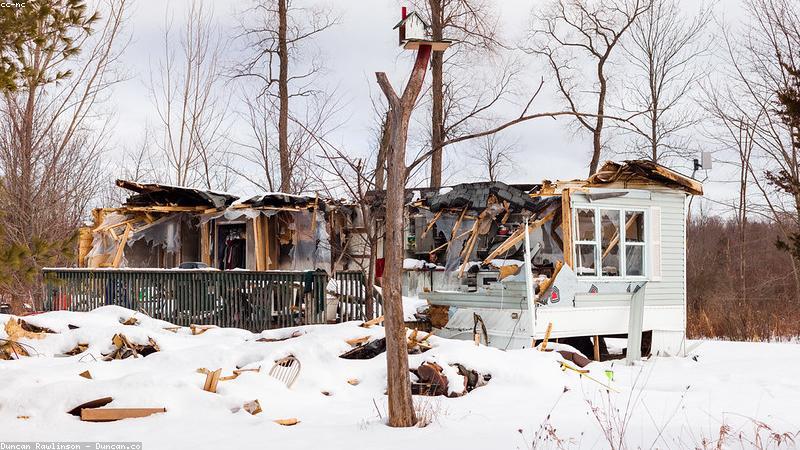
Termites are a silent menace, capable of inflicting severe structural damage to your home before you even notice their presence. For many homeowners, discovering a termite infestation immediately raises a critical question: Does home insurance cover termite damage? The straightforward answer, for most standard policies, is typically no.
The Unwelcome Truth: Termite Damage and Home Insurance
Standard homeowners insurance policies, such as HO-3 (special form) or HO-5 (comprehensive form), are designed to protect you from sudden, accidental, and unavoidable perils. Unfortunately, termite damage usually falls outside these criteria.
Why Termite Damage is Usually Excluded
- Gradual Nature: Termite infestations develop over time. The damage they cause isn't sudden or accidental, but rather a slow, ongoing process. Insurance typically covers events that happen unexpectedly.
- Preventable Issue: Home insurance policies expect homeowners to maintain their property. Termite prevention, such as regular inspections and addressing moisture issues, is considered part of routine home maintenance. Damage that could have been prevented through proper upkeep is often excluded.
- Maintenance Exclusions: Most policies contain clauses that exclude damage resulting from neglect, wear and tear, or a lack of maintenance. Termite damage is often categorized under these exclusions.
Are There Any Exceptions to Termite Coverage?
While direct coverage for termite damage is extremely rare, there are hypothetical, albeit highly unlikely, scenarios where a related issue might be covered indirectly:
- Indirect Damage from a Covered Peril: If a covered peril, such as a burst pipe (due to freezing, for instance, which is often covered), leads to excessive moisture that creates an immediate and severe termite infestation directly and solely caused by that sudden event, there's a slim chance an adjuster might consider portions of the damage. However, this is a very high bar to meet, and pre-existing termite activity would almost certainly void any claim.
- Damage Revealing Termites: If a covered peril, like a fire or collapse, exposes existing termite damage, your policy would cover the cost to repair the fire or collapse damage, but not the underlying termite damage itself. The repair costs associated with the termites would still be your responsibility.
It's crucial to understand that these scenarios do not mean your home insurance policy offers direct termite coverage. They represent very specific, indirect circumstances where another covered event might bring termite-related issues to light or contribute to an *immediate* problem, which is rarely the case with termites.
Protecting Your Home from Termite Damage
Given that home insurance typically won't cover termite damage, proactive prevention is your strongest defense and the most financially responsible approach:
- Regular Inspections: Schedule annual professional termite inspections, especially if you live in a high-risk area.
- Address Moisture Issues: Repair leaky pipes, ensure proper drainage away from your foundation, and maintain clear gutters. Termites thrive in damp environments.
- Eliminate Wood-to-Soil Contact: Keep wood structures, mulch, and firewood away from your home's foundation.
- Seal Cracks: Seal any cracks or openings in your foundation and around utility entry points to prevent termite entry.
- Professional Pest Control: Invest in preventative pest control services or termite bonds offered by pest control companies. These are service contracts, not insurance policies, but they offer financial protection against infestations.
Consult Your Insurance Agent
To fully understand your specific coverage, always read your homeowners insurance policy carefully, paying close attention to the exclusions section. If you have any doubts, don't hesitate to speak with your insurance agent. They can clarify what your policy covers and advise on additional protective measures for your valuable asset.