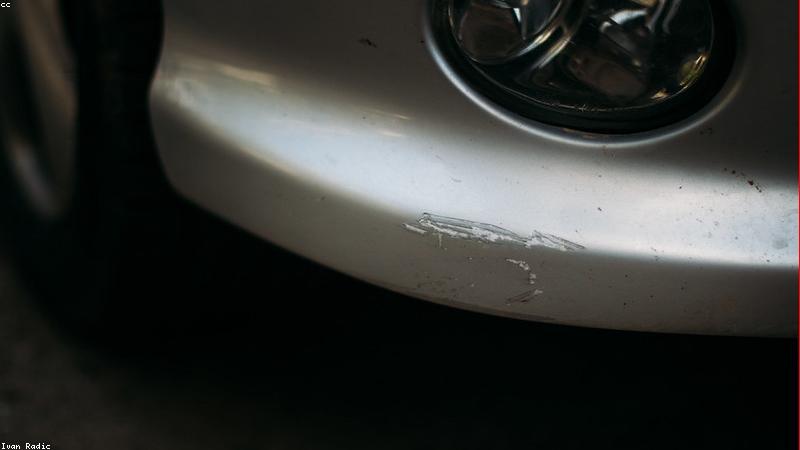
The road ahead is electric! As more Americans embrace the innovative power of electric vehicles (EVs), new questions arise, especially concerning insurance. While insuring an EV shares many similarities with gasoline-powered cars, there are unique factors US drivers need to understand. Don't let uncertainty slow your journey – this guide will illuminate everything you need to know about electric vehicle insurance, helping you protect your cutting-edge investment.
What Makes Electric Vehicle Insurance Different?
While standard auto insurance policies cover EVs, several characteristics can influence your premiums:
- Higher Purchase Price: EVs often have a greater initial cost than comparable gasoline vehicles, meaning repair or replacement costs can be higher, impacting collision and comprehensive premiums.
- Specialized Parts & Repairs: The sophisticated battery packs, electric motors, and advanced charging systems require specialized technicians and often more expensive parts, potentially increasing repair costs.
- Advanced Technology: Many EVs come equipped with cutting-edge driver-assistance systems (ADAS) and complex sensors. While these enhance safety, their repair or recalibration can be costly after an accident.
- Weight & Performance: EVs are often heavier due to their battery packs, which can contribute to more damage in a collision. High-performance electric models may also carry increased risk profiles.
Essential Coverage for Your Electric Vehicle
Like any vehicle, your EV requires core insurance coverages. However, consider these additions or specific aspects:
Standard Coverages Still Apply:
- Liability Insurance: Protects you if you're at fault in an accident, covering bodily injury and property damage to others.
- Collision Coverage: Pays for damage to your EV resulting from a collision with another vehicle or object, regardless of fault.
- Comprehensive Coverage: Covers damage to your EV from non-collision events like theft, vandalism, fire, hail, or striking an animal.
- Uninsured/Underinsured Motorist: Protects you if you're hit by a driver without enough insurance.
EV-Specific Considerations:
- Battery Coverage: Ensure your comprehensive and collision policies adequately cover the high cost of battery repair or replacement. Some insurers offer specific endorsements.
- Charging Equipment Coverage: Your home charging station (Level 2 or 3) and portable charging cables can be expensive. Check if they're covered under your auto policy, homeowner's insurance, or require a separate rider.
- Specialized Roadside Assistance: Given that many EVs cannot be towed conventionally (e.g., flat towing), ensure your roadside assistance includes flatbed towing for electric vehicles. Some policies may also offer mobile charging services.
- Gap Insurance: Due to the higher value and potential for rapid depreciation, gap insurance can be especially valuable, covering the difference between your EV's actual cash value and the amount you still owe on your loan or lease if it's totaled.
Factors Influencing Your EV Insurance Premiums
Your EV insurance cost is determined by several factors, similar to traditional vehicles:
- Vehicle Make and Model: Luxury or high-performance EVs typically cost more to insure.
- Your Driving Record: A clean record always translates to lower rates.
- Location: Where you live and park can affect your premiums.
- Annual Mileage: Less driving often means lower risk and lower rates.
- Safety Features: Advanced safety tech can sometimes qualify for discounts.
Tips for Saving on Electric Vehicle Insurance
Don't let the unique aspects of EV insurance deter you. Smart strategies can help you secure competitive rates:
- Compare Quotes: Shop around with multiple insurance providers. Not all insurers price EVs the same way.
- Ask About EV Discounts: Many carriers offer specific discounts for eco-friendly vehicles, low mileage, or even for installing telematics devices that monitor your driving habits.
- Bundle Policies: Combining your auto, home, or renters insurance with the same provider can often lead to significant savings.
- Choose a Higher Deductible: If you can afford it, increasing your deductible can lower your monthly premiums.
- Maintain a Good Credit Score: In many states, a good credit history can positively influence your insurance rates.
Drive Confidently with the Right Coverage
Embracing an electric future is exciting, and insuring your EV doesn't have to be complicated. By understanding the unique factors, essential coverages, and smart saving tips, you can confidently protect your electric vehicle. Talk to a knowledgeable insurance agent today to get personalized quotes and ensure your EV is covered with a policy that drives as smoothly as your car.